
PFAS in Australian Tap Water: What They Are and How to Get Rid of Them

Updated: Aug 19, 2025
PFAS in Australian Tap Water: What You Should Know & How to Remove Them
Recent investigations by major Australian media outlets, including the Sydney Morning Herald and Channel 9, have revealed a growing public health concern — the detection of “forever chemicals” in tap water supplies across the country. These substances, known as PFAS (Per- and Polyfluoroalkyl Substances), have been found in drinking water reaching up to 1.8 million Australians. So what are PFAS, why are they dangerous, and what can you do to protect yourself?
At Filtered Water Systems, we’re committed to helping Australian households take control of their water quality with effective filtration solutions that tackle these harmful contaminants head-on.
What Are “Forever Chemicals”?
PFAS are synthetic compounds used in manufacturing everyday products like non-stick cookware, waterproof clothing, stain-resistant fabrics, cosmetics, and firefighting foam. Two of the most common types include PFOA and PFOS.
They’re often called forever chemicals because they don’t degrade easily. Instead, they persist in the environment and can build up in the human body over time — leading to long-term exposure risks.
The Health Risks Linked to PFAS
Studies around the world have connected PFAS exposure to several serious health problems, including:
Certain types of cancer
Hormonal imbalances
Immune system dysfunction
Liver damage
Developmental effects in unborn babies and young children
Given these dangers, taking steps to reduce your exposure to PFAS-contaminated water is essential.
Where PFAS Have Been Found in Australia
Analysis of government and water authority data shows PFAS contamination in both metropolitan and regional areas. Affected locations include:
Sydney suburbs such as Blacktown, Campbelltown, Liverpool, Quakers Hill, Emu Plains, and North Richmond
NSW regional centres like Newcastle, Lithgow, Wagga Wagga, Bathurst, Gundagai, and Yass
Other cities and towns: Footscray (VIC), Canberra (ACT), inner-city Adelaide (SA), Cairns and Gladstone (QLD), Kingborough (TAS), and parts of the Northern Territory including Darwin
These findings highlight the need for proactive solutions to ensure access to safe drinking water.
How to Remove PFAS from Your Drinking Water
Thankfully, there are filtration methods proven to reduce PFAS in your tap water:
✅ Reverse Osmosis Systems
Reverse Osmosis (RO) is one of the most reliable technologies for removing PFAS. These systems use a semi-permeable membrane that filters water at the microscopic level — blocking contaminants down to 0.0005 microns. RO systems not only remove PFAS, but also other harmful substances like heavy metals, fluoride, and chlorine.
✅ Carbon Filter Cartridges
Activated carbon filters are another effective option. They can reduce PFAS levels by adsorbing chemicals from the water. While not as thorough as reverse osmosis, carbon filters still offer solid protection and are suitable for both under-sink and countertop setups.
Choosing the Right System for Your Home
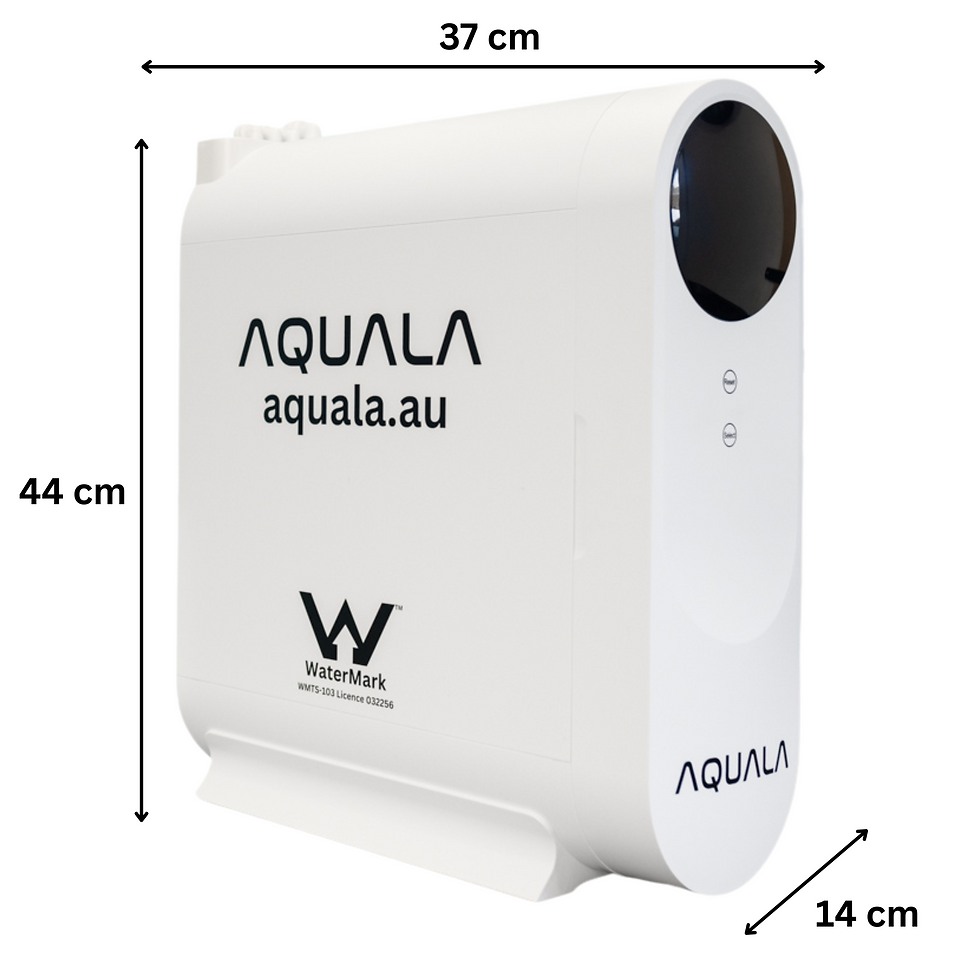
At Filtered Water Systems, we supply and install a range of advanced filtration units, including tankless reverse osmosis systems, whole house systems, and high-quality carbon filters. Whether you’re looking to protect your household, your office, or both — we can help you choose the right system to suit your space, budget, and level of concern.
Protect What Matters Most
Clean, safe water shouldn’t be a luxury — it’s a necessity. With the growing awareness of PFAS contamination in Australian water supplies, now is the time to take control of what’s coming out of your tap. Get in touch with our team to find the filtration solution that’s right for you.
For more information contact us: At Filtered Water Systems or give us a call +61 478 800 996


Comments